When we talk about soft skills improvement, we’re focusing on developing the personal qualities that define how you interact with others, handle challenges, and adapt in any environment. While hard skills like coding, designing, or accounting are important, soft skills often determine whether you succeed in your career and relationships. Think of it this way: technical skills can get you the job, but soft skills will help you keep it, thrive in it, and grow beyond it.
Investing in soft skills is an investment in yourself. It’s about becoming a better communicator, a more effective team member, a resilient problem-solver, and a confident professional. Let’s explore this in depth.
Understanding Soft Skills

Soft skills are intangible abilities that shape your interactions, influence your effectiveness, and improve your ability to work in diverse environments. Unlike hard skills, soft skills are transferable—they benefit you across roles, industries, and situations.
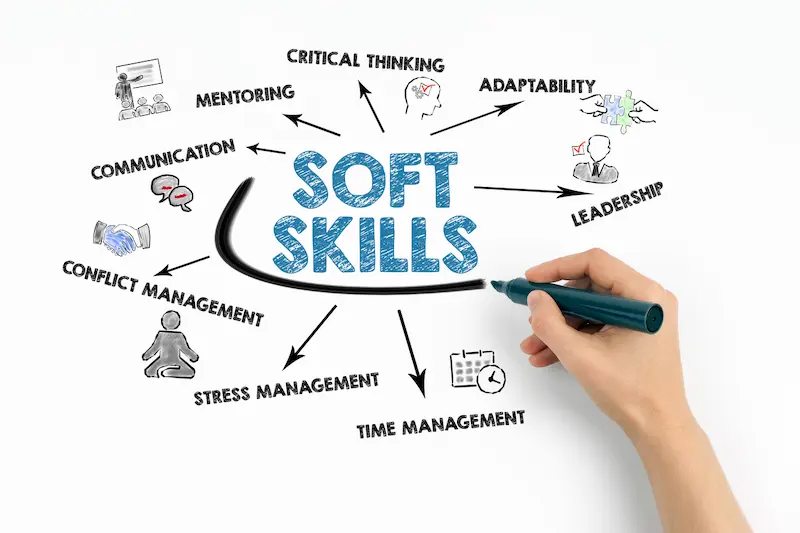
Some key soft skills include:
- Communication Skills – The ability to articulate your thoughts clearly, listen actively, and adapt your message to different audiences.
- Emotional Intelligence (EQ) – Understanding your emotions and those of others, and using this awareness to build stronger relationships.
- Critical Thinking & Problem-Solving – The ability to analyze situations logically, make informed decisions, and creatively solve problems.
- Time Management – Prioritizing tasks, planning effectively, and meeting deadlines.
- Teamwork & Collaboration – Working effectively with others, respecting diverse perspectives, and contributing to group success.
- Adaptability & Resilience – Adjusting to change, managing stress, and bouncing back from setbacks.
- Leadership & Influence – Guiding teams, motivating others, and making a positive impact.
Why Soft Skills Improvement is Essential
Improving your soft skills is no longer optional—it’s a career and life necessity. Here’s why:
- Enhances Career Prospects – Employers increasingly prioritize candidates with strong interpersonal skills. A person with great communication, teamwork, and problem-solving abilities is often more valued than someone with technical skills alone.
- Boosts Workplace Productivity – Teams that communicate effectively and manage conflict well are more productive and innovative.
- Strengthens Relationships – Good soft skills improve personal interactions, allowing for deeper connections and mutual respect.
- Supports Leadership Growth – Leaders rely on soft skills to motivate teams, resolve conflicts, and make decisions that inspire trust.
- Encourages Lifelong Learning – People with strong soft skills adapt more easily to new situations and continue to grow personally and professionally.
Key Areas for Soft Skills Improvement
To systematically improve your soft skills, focus on these key areas:
1. Communication Skills
Clear communication is vital. It involves not just speaking well, but also listening attentively.
Tips for improvement:
- Practice active listening—avoid interrupting and paraphrase what you hear.
- Pay attention to body language and tone of voice.
- Write clearly and concisely; emails and reports should be easy to read.
- Engage in public speaking or join discussion groups to build confidence.
Example: A team member presenting project updates confidently and clearly will be more respected than someone who is technically skilled but struggles to explain ideas.
2. Emotional Intelligence
Emotional intelligence is your ability to understand your emotions and respond appropriately, while empathizing with others.
Tips for improvement:
- Reflect on your emotional responses to situations.
- Observe how others react in different scenarios and practice empathy.
- Manage stress by practicing mindfulness or meditation.
- Develop patience—avoid reactive behavior during conflicts.
Example: Resolving workplace conflicts calmly rather than reacting impulsively can maintain trust and credibility.
3. Time Management
Time management ensures efficiency and reduces stress.
Tips for improvement:
- Create a daily or weekly planner to prioritize tasks.
- Break large projects into smaller, manageable steps.
- Set deadlines and stick to them.
- Avoid multitasking; focus on one task at a time for better quality.
Example: Completing tasks ahead of deadlines and managing multiple projects efficiently demonstrates reliability and professionalism.
4. Problem-Solving & Critical Thinking
Being able to analyze situations and find solutions is highly valuable.
Tips for improvement:
- Approach problems logically, identify root causes, and evaluate options.
- Seek input from colleagues and consider alternative perspectives.
- Learn from mistakes—analyze failures and adjust strategies.
- Practice brainstorming creative solutions for hypothetical scenarios.
Example: A professional who identifies a process inefficiency and proposes a solution will stand out as proactive and valuable.
5. Teamwork & Collaboration
Working well with others is essential in almost every environment.
Tips for improvement:
- Listen actively to team members’ ideas and provide constructive feedback.
- Respect differences and encourage diverse viewpoints.
- Share credit and celebrate team successes.
- Take initiative to help colleagues when needed.
Example: Participating positively in team meetings, offering support, and recognizing others’ contributions improves team dynamics and results.
6. Adaptability & Resilience
The ability to handle change and bounce back from setbacks is crucial.
Tips for improvement:
- Embrace change rather than resisting it.
- Develop coping strategies for stress and uncertainty.
- Maintain a positive attitude and learn from challenges.
- Set realistic goals and adjust plans as circumstances evolve.
Example: Adapting quickly to a new role or project ensures continuous contribution without disruption.
7. Leadership & Influence
Leadership is not just for managers—anyone can develop influence skills.
Tips for improvement:
- Lead by example through integrity and accountability.
- Encourage and motivate peers.
- Take ownership of projects and support team members.
- Practice decision-making in small-scale scenarios to build confidence.
Example: A colleague who volunteers to mentor new hires demonstrates leadership potential even without a formal title.
You may also like to read this:
Research Methodology Guides: Complete Guide For Beginners
Online Research Resources: Best Tools For Academic Research
Research Project Help: Complete Step-By-Step Academic Guide
Research Writing Guides: Step-By-Step Academic Help
Professional Skill Development | Boost Your Career Growth
How to Accelerate Soft Skills Improvement
Here are actionable ways to grow your soft skills faster:
- Online Courses & Workshops: Platforms like Coursera, LinkedIn Learning, or Udemy offer courses on communication, leadership, and emotional intelligence.
- Reading & Self-Study: Books like How to Win Friends and Influence People by Dale Carnegie and Emotional Intelligence 2.0 by Travis Bradberry provide practical insights.
- Mentorship & Coaching: Seek guidance from experienced professionals who can give personalized feedback.
- Practice in Real Life: Apply skills in daily interactions, work meetings, and social situations.
- Feedback Loops: Ask colleagues or friends for constructive feedback and implement it actively.
Conclusion
Soft skills improvement is not a one-time effort; it’s a lifelong journey. The more you invest in your interpersonal abilities, emotional intelligence, and leadership potential, the more opportunities you unlock in both professional and personal spheres.
Remember, small, consistent steps—like active listening, time management, problem-solving, and empathy—can lead to significant results. By focusing on soft skills, you become a more effective communicator, a better teammate, and a resilient, adaptable professional ready to tackle any challenge.
Start today, and you’ll see how soft skills improvement can transform your career and life over time.
FAQs on Soft Skills Improvement
1. What are soft skills, and why are they important?
Soft skills are personal attributes that influence how you interact with others, manage tasks, and respond to challenges. They include communication, emotional intelligence, problem-solving, teamwork, and adaptability. They are important because they enhance career opportunities, improve relationships, and help you succeed in both personal and professional life.
2. Can soft skills be learned, or are they innate?
Soft skills can absolutely be learned and developed. While some people may have a natural aptitude, consistent practice, feedback, and learning can significantly improve your soft skills over time.
3. How long does it take to improve soft skills?
Improvement depends on the skill, your starting point, and practice frequency. Some skills, like communication and time management, may show noticeable improvement in a few weeks with consistent effort. Others, like leadership or emotional intelligence, require ongoing development over months or even years.
4. What are some practical ways to improve communication skills?
Practice active listening and avoid interrupting.
Engage in public speaking or join discussion groups.
Pay attention to body language and tone of voice.
Write clearly and concisely in emails or reports.
5. How can I develop emotional intelligence?
Reflect on your emotions and reactions regularly.
Practice empathy by considering others’ perspectives.
Manage stress with mindfulness or relaxation techniques.
Observe how others respond to situations and learn from them.