When we talk about personal skill growth, we’re really talking about more than just learning a few tricks or taking a course. It’s about intentionally improving your abilities, mindset, and habits over time so you can thrive both personally and professionally. Think of it as a journey where each small step you take compounds into long-term success. The best part? Anyone can work on personal skill growth—you just need the right approach and consistency.
In this guide, we’ll break down what personal skill growth is, why it’s so important, how to plan it, and practical ways you can start improving your skills today.
Why Personal Skill Growth is Crucial

Investing in your own development isn’t a luxury—it’s essential. Here’s why personal skill growth matters:
- Career Advancement – Employers value individuals who actively improve themselves. Skills like leadership, communication, and problem-solving often lead to promotions, raises, or new opportunities.
- Self-Confidence – The more you master, the more confident you feel in your abilities. This confidence spills over into personal relationships, public speaking, and networking.
- Adaptability – Life is unpredictable. Whether the market shifts, technology changes, or you switch careers, strong skills help you adjust and thrive.
- Personal Fulfillment – Growth isn’t just about work; it’s about satisfaction. Learning something new or mastering a skill brings a sense of accomplishment and purpose.
Think of personal skill growth as planting seeds. Every skill you learn today can blossom into opportunities tomorrow.
Steps to Achieve Personal Skill Growth
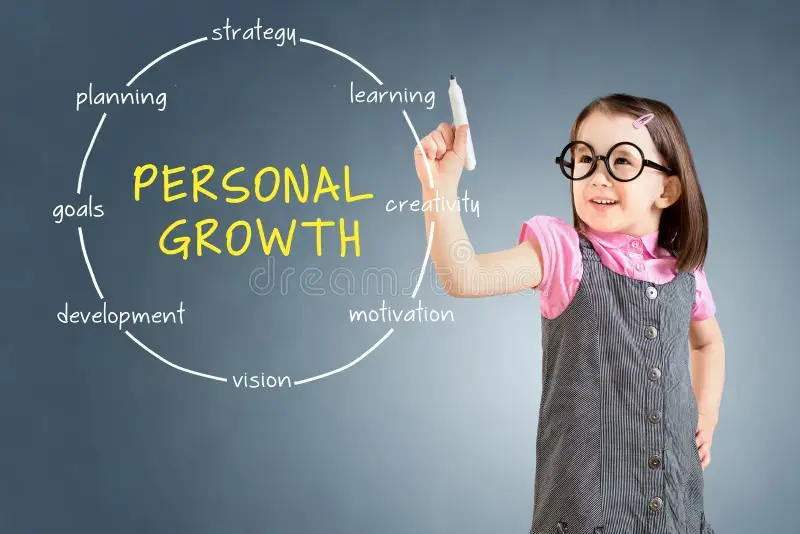
Growing your skills isn’t random—it’s about following a clear plan. Here’s a detailed step-by-step roadmap:
1. Define Your Goals Clearly
Start with the question: “Where do I want to be in 6 months, a year, or 5 years?”
- Be specific. Instead of saying, “I want to get better at communication,” say, “I want to confidently give presentations in front of 50+ people.”
- Break goals into short-term and long-term. Short-term goals are daily or weekly skills you can practice, while long-term goals give you direction.
2. Assess Your Current Skill Level
Before you grow, you need to know your starting point. Make a list of your current strengths and weaknesses:
- Strengths: Skills you excel at and can leverage.
- Weaknesses: Skills that need improvement or learning from scratch.
This self-assessment will help you focus on the areas that bring the most impact.
3. Make a Learning Plan
Once you know what to improve, make a detailed learning plan:
- Select Resources – Books, online courses, mentors, podcasts, or workshops.
- Schedule Practice – Dedicate daily or weekly time for practice. Even 20-30 minutes a day adds up.
- Set Milestones – Track progress to see improvement over time.
Example: If your goal is to improve public speaking, your plan might include practicing in front of a mirror, joining a local speaking club, and recording yourself weekly.
4. Practice Consistently
Consistency is the backbone of personal skill growth. Don’t aim for perfection; aim for improvement:
- Daily habits, even small ones, compound over time.
- Track practice sessions, and make them non-negotiable.
- Mix learning styles—reading, watching tutorials, hands-on projects, or teaching others.
5. Seek Constructive Feedback
Feedback is a shortcut to growth:
- Ask mentors, colleagues, or friends for honest advice.
- Accept criticism as a tool, not a judgment.
- Adjust your approach based on the feedback received.
6. Reflect and Adjust
Growth requires reflection:
- Review your progress weekly or monthly.
- Ask yourself: “What’s working? What’s not?”
- Celebrate small wins to stay motivated.
- Don’t be afraid to pivot your strategy if needed.
You may also like to read this:
Professional Skill Development | Boost Your Career Growth
Soft Skills Improvement: Boost Career & Personal Growth
Tech Skills Learning Guide: From Beginner To Advanced Expert
Career Skill Enhancement: Boost Your Professional Growth
Skill-Building Strategies To Boost Your Growth
Essential Skills to Focus On
While everyone’s journey is unique, some skills have universal value:
- Communication Skills – Express your ideas clearly, listen actively, and connect with others.
- Time Management – Prioritize tasks, avoid procrastination, and make your day productive.
- Critical Thinking – Solve problems creatively, make informed decisions, and analyze situations.
- Emotional Intelligence – Understand your emotions, empathize with others, and handle conflicts effectively.
- Adaptability – Learn to embrace change and stay flexible in unpredictable situations.
- Technical Skills – Depending on your field, learning relevant tools or software is crucial.
- Networking & Relationship Building – Building meaningful connections often opens doors that skills alone cannot.
Strategies to Stay Motivated
Motivation often fluctuates, but these strategies can keep you on track:
- Celebrate Small Wins – Each skill mastered, each challenge overcome is progress.
- Stay Curious – Approach learning with excitement instead of obligation.
- Surround Yourself with Growth-Oriented People – Positive, motivated individuals inspire you to keep improving.
- Use Tracking Tools – Journals, apps, or habit trackers help visualize progress.
- Reward Yourself – After completing milestones, reward yourself with something meaningful.
Practical Exercises for Personal Skill Growth
Here’s how you can start today:
- Daily Journaling – Reflect on your day, what you learned, and areas to improve.
- Reading for Growth – Dedicate 20-30 minutes daily to books or articles related to your goals.
- Skill Challenges – Pick a skill and challenge yourself to practice it daily for a month.
- Join a Community – Online forums, clubs, or workshops help you learn from peers.
- Teach Others – Teaching reinforces your learning and uncovers knowledge gaps.
- Mindfulness & Self-Awareness – Understanding your thought patterns improves emotional intelligence.
- Public Speaking Practice – Start small, record yourself, and gradually increase your audience.
Conclusion
Personal skill growth is more than a goal—it’s a mindset. It’s about taking consistent, intentional steps to become better at what you do and more confident in who you are. Whether it’s learning a new skill, improving your communication, or building emotional intelligence, every effort counts.
The journey might be gradual, but the results are transformative. Start today, stay consistent, and invest in the most important project of all: yourself.
FAQs About Personal Skill Growth
1. What is personal skill growth?
Personal skill growth refers to the process of improving your abilities, knowledge, habits, and mindset over time. It focuses on both professional and personal development to help you achieve your goals and become more confident and adaptable.
2. Why is personal skill growth important?
Personal skill growth is important because it enhances your career opportunities, boosts confidence, improves adaptability, and provides personal fulfillment. People who actively work on skill growth are better prepared to handle challenges and seize opportunities.
3. How can I start improving my skills?
Start by identifying your goals and assessing your current skill level. Then create a learning plan, practice consistently, seek feedback, and track your progress. Small, daily actions lead to significant improvement over time.
4. What are some essential skills to focus on for personal growth?
Some essential skills include:
Communication and interpersonal skills
Time management and productivity
Critical thinking and problem-solving
Emotional intelligence
Adaptability and resilience
Technical skills relevant to your field
Networking and relationship building
5. How long does it take to see results in personal skill growth?
Results vary depending on the skill and effort you put in. Some skills may show noticeable improvement within a few weeks, while others, like leadership or technical mastery, may take months or even years. Consistency and deliberate practice are key.