Setting goals is more than just writing down what you want; it’s about creating a roadmap to turn your aspirations into reality. Goal-setting techniques are structured strategies that help you clarify what you want, plan how to achieve it, and stay motivated along the way. Without the right approach, it’s easy to feel lost or overwhelmed, no matter how ambitious your dreams are.
In this guide, we’ll explore the most effective goal-setting techniques, practical tips to stick to your goals, common mistakes to avoid, and how to create a system that works for you. Whether you’re aiming to grow professionally, improve your health, or pursue personal growth, these strategies will help you succeed.
Why Goal-Setting Techniques Are Essential

Many people underestimate the power of structured goal-setting. Simply “wanting” something isn’t enough. Without a plan, it’s easy to get distracted, procrastinate, or lose motivation. Here’s why goal-setting techniques matter:
- Provides clarity: They help you define exactly what you want.
- Creates focus: You know which tasks deserve your energy.
- Boosts motivation: Achievable steps keep you encouraged.
- Measures progress: Structured goals allow you to track your achievements.
- Encourages accountability: You’re more likely to stay committed when you have a plan.
Popular Goal-Setting Techniques
1. SMART Goals
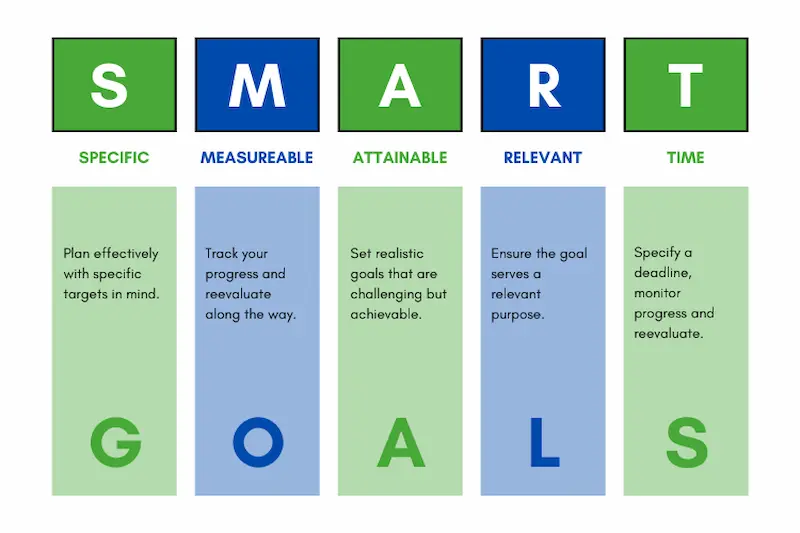
The SMART framework is one of the most widely used goal-setting techniques. Each goal should be:
- Specific: Avoid vague goals. Instead of “I want to exercise,” say, “I want to jog for 30 minutes every morning.”
- Measurable: Track your progress. How will you know if you’re succeeding? Use numbers, deadlines, or milestones.
- Achievable: Your goal should challenge you but still be realistic. Setting an impossible goal only leads to frustration.
- Relevant: Align your goal with your long-term objectives. Ask yourself, “Does this goal matter to my bigger vision?”
- Time-bound: Set deadlines. A goal without a timeline is easy to procrastinate on.
Example: Instead of “I want to save money,” a SMART goal would be: “I will save $200 each month for the next 6 months to build an emergency fund of $1,200.”
2. WOOP Method
The WOOP technique combines optimism with realism. It stands for:
- Wish: Identify what you truly desire.
- Outcome: Visualize the best possible result.
- Obstacle: Recognize the personal barriers that may arise.
- Plan: Decide actionable steps to overcome obstacles.
Example:
- Wish: I want to complete a 5k run.
- Outcome: I feel proud, healthy, and energized.
- Obstacle: I tend to skip training when I’m busy.
- Plan: I will schedule runs on my calendar and set reminders to make them non-negotiable.
This technique is particularly effective because it prepares you for challenges instead of pretending they won’t happen.
3. Visualization Techniques
Visualization strengthens your mental commitment to goals. When you imagine achieving your goal in vivid detail, your brain starts to “believe” it’s possible, which boosts confidence and focus.
How to practice visualization:
- Find a quiet space and close your eyes.
- Imagine achieving your goal—see it, feel it, and experience the emotions.
- Repeat daily for 5–10 minutes.
For example, if your goal is to get promoted at work, visualize yourself confidently presenting a project, receiving recognition, and celebrating your achievement.
4. Breaking Goals into Micro-Goals
Big goals can be intimidating. Breaking them into smaller, manageable tasks—called micro-goals—makes them less overwhelming and more achievable.
Example: If your goal is to write a book:
- Week 1: Outline chapters
- Week 2: Write 300 words per day
- Week 3: Edit the first chapter
- Week 4: Share with a trusted friend for feedback
Completing micro-goals creates momentum, making the bigger goal feel attainable.
5. Accountability Partners
Having someone to hold you accountable increases the likelihood of success. When you share your goals with a friend, mentor, or coach, you:
- Feel more committed
- Receive encouragement during setbacks
- Gain new perspectives or ideas
Example: Schedule weekly check-ins with a colleague or friend to discuss progress on career goals.
6. The 80/20 Rule (Pareto Principle)
Not all tasks are equally important. The 80/20 rule suggests focusing on the 20% of activities that yield 80% of results. This prioritization ensures you invest energy in high-impact actions.
Example: If your goal is to grow your freelance business, focus on acquiring new clients and networking, rather than spending excessive time on minor administrative tasks.
7. Habit Stacking
Sometimes achieving goals is about forming new habits. Habit stacking means attaching a new behavior to an existing habit to make it easier to remember and follow through.
Example: If your goal is to meditate daily, stack it with your morning coffee: “After I pour my coffee, I will meditate for 5 minutes.”
You may also like to read this:
Career Skill Enhancement: Boost Your Professional Growth
Skill-Building Strategies To Boost Your Growth
Personal Skill Growth: Master Your Abilities Today
Self-Improvement Tips: Grow Daily and Become Your Best Self
Key Personal Development Strategies For Lifelong Growth
Tips for Sticking to Your Goals
- Write Them Down: Written goals are more tangible and create commitment.
- Create a Routine: Consistency is key. Set specific times for tasks related to your goals.
- Use Reminders: Phone alerts, sticky notes, or digital planners can help you stay on track.
- Track Your Progress: Keep a journal or use apps to monitor achievements.
- Celebrate Milestones: Reward yourself for small wins to maintain motivation.
- Stay Flexible: Adjust your goals as circumstances change. Flexibility is a strength, not failure.
Common Mistakes to Avoid
- Being Vague: Goals like “I want to be healthier” are hard to measure.
- Setting Too Many Goals: Focus on 1–3 goals at a time to prevent overwhelm.
- Ignoring Motivation: Always connect goals to your “why” to stay inspired.
- Skipping Tracking: Without tracking, it’s easy to drift off course.
- Neglecting Challenges: Anticipate obstacles and plan solutions in advance.
Advanced Goal-Setting Techniques
- Backward Planning: Start with your ultimate goal and work backward to create actionable steps.
- Journaling: Daily reflections help you understand what works, what doesn’t, and keep your goals aligned with your values.
- Mind Mapping: Visualizing goals and tasks in a map can make complex projects more manageable.
- Time Blocking: Allocate dedicated time slots for goal-related activities to increase focus.
Final Thoughts
Achieving your dreams isn’t about luck—it’s about strategy. Using goal-setting techniques gives you clarity, structure, and motivation to take consistent action. Start by choosing a technique that resonates with you, set clear goals, and take small steps daily. Over time, your progress compounds, and those big aspirations become reality.
Remember, the key is persistence, flexibility, and celebrating every win along the way. With the right approach, your goals are completely within reach.
FAQs About Goal-Setting Techniques
Q1: How often should I review my goals?
A1: Weekly or monthly reviews are ideal to track progress, reflect, and adjust your plan.
Q2: Can I combine multiple goal-setting techniques?
A2: Yes! Many people combine SMART goals, visualization, and accountability for maximum results.
Q3: What if I fail to meet a goal?
A3: Failure is part of growth. Analyze why, adjust your approach, and try again. Each setback is a learning opportunity.
Q4: How can I stay motivated for long-term goals?
A4: Break goals into milestones, visualize success, celebrate achievements, and remind yourself of your “why.”